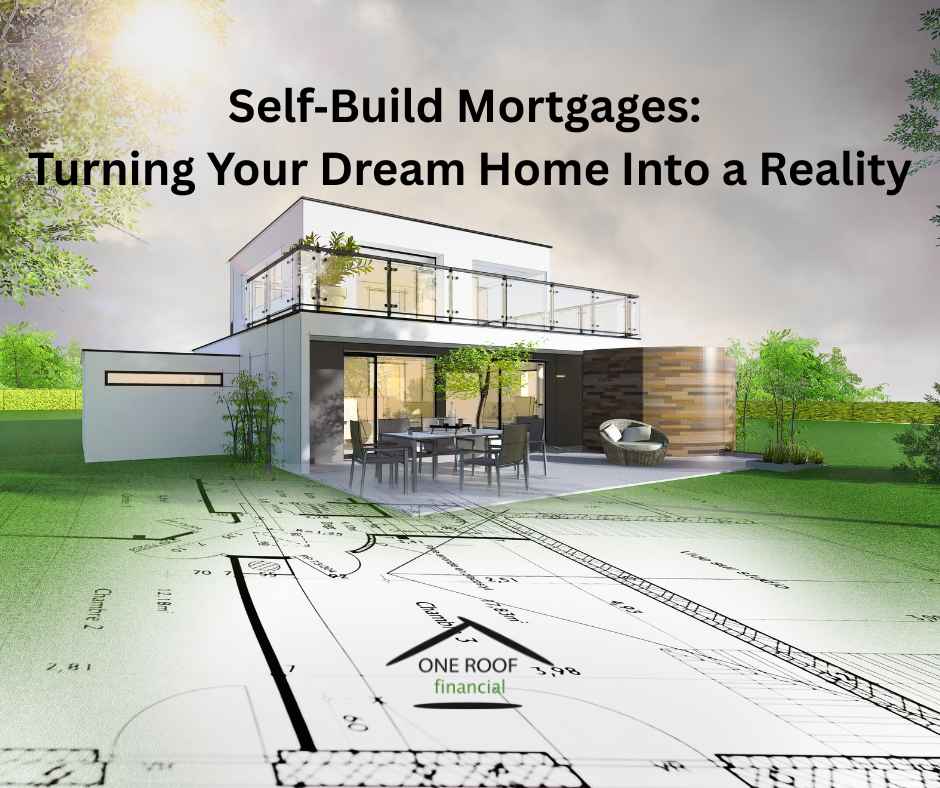
Have you always dreamed of building your own home? A self‑build mortgage could be the key to making that dream happen.
A conventional mortgage is only available on a property that already exists. If you’re planning to build your home from the ground up, you’ll need a self‑build mortgage instead.
We know mortgages can feel confusing at the best of times, and when you add planning, regulations and construction stages into the mix, it can feel even more overwhelming. That’s where we come in. Our advisers can guide you through your options and explain how self‑build mortgages work, helping you keep your finances on track throughout the project.
What is a self‑build mortgage?
A self‑build mortgage releases funds in stages as the build progresses. There are two main ways lenders structure these payments: arrears and advance.
Arrears‑stage payments (most common)
Funds are released after each stage of the build is completed. You’ll need to use your own savings to pay for the work upfront. A professional valuer will assess the completed stage, and the lender will release an agreed percentage of that value.
Advance‑stage payments
Funds are released at the start of each stage, before the work begins. Payments are based on projected build costs and are guaranteed regardless of interim valuations. This option can help with cashflow, but it requires very careful budgeting and cost planning.
Typical stages of a self‑build mortgage
Stages vary slightly between lenders, but they usually follow this structure:
- Land purchase
- Groundworks to damp‑proof course
- Masonry to eaves level
- Wind and watertight
- First fix and dry lining
- Certificate of completion
What happens when the build is complete?
Just like a standard mortgage, your self‑build mortgage will have an initial deal period and may include early repayment charges. Once the build is finished and the time is right, we can advise you on your remortgage options, at that point, you’ll move onto a conventional mortgage.
Advantages of a self‑build
- It can be cheaper to build a home than to buy one of a similar size.
- You can design a property that perfectly suits your needs and lifestyle.
Disadvantages of a self‑build
- Interest rates during the build phase may be higher than a standard mortgage.
- You may need a larger deposit.
- There’s more paperwork — including detailed project costs, insurance, and a structural warranty, alongside the usual income and expenditure checks.
Want to explore your options?
If you’d like more information or want to book a consultation with one of our advisers, call us on 01455 63 61 63 or contact us here: https://onerooffinancial.co.uk/contact/
Your home may be repossessed if you do not keep up repayments on your mortgage.
Blog written 21/04/2026
The information contained within this blog was correct at the time of publication (21/04/2026) and is subject to change.