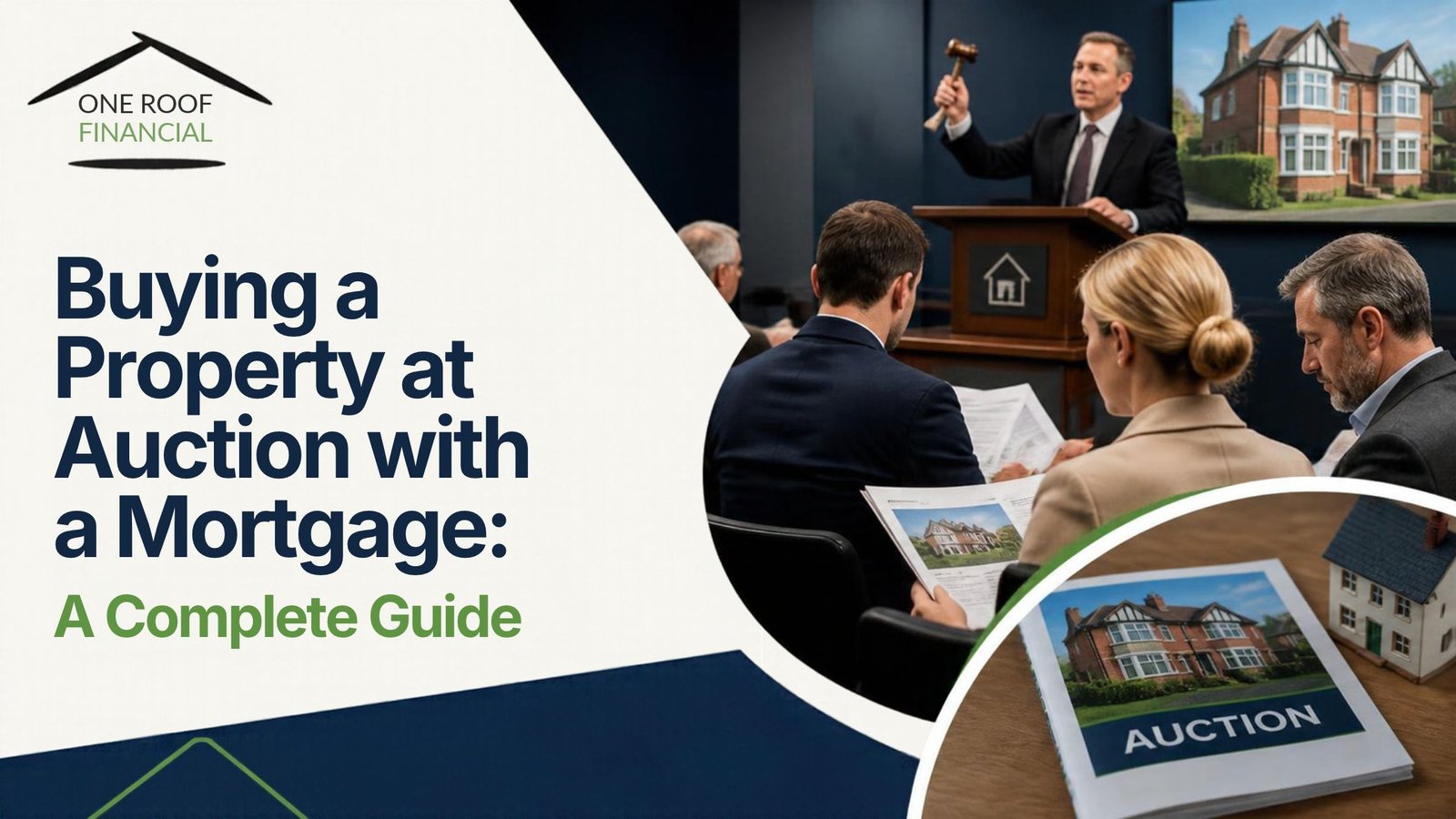
Buying a property at auction can be an exciting way to secure a home, renovation project, or investment property. Properties sold at auction are often priced competitively and can provide opportunities that aren’t always available on the traditional housing market.
However, purchasing at auction differs significantly from buying through an estate agent. If you’re planning to use a mortgage to fund your purchase, it’s important to understand the process before placing a bid.
In this guide, we’ll explain how buying at auction works, whether you can use a mortgage, and the steps you should take to improve your chances of success.
Can You Buy a Property at Auction with a Mortgage?
Yes, in many cases you can buy a property at auction using a mortgage. However, preparation is essential.
Unlike traditional property purchases that can take several months to complete, auction purchases typically require completion within 28 days of the auction. Some modern auctions allow longer timescales, but the contract terms should always be checked carefully before bidding.
Because of these tight deadlines, you’ll need to ensure that your mortgage arrangements are well underway before the auction takes place.
Why Do Properties End Up at Auction?
Properties may be sold at auction for a variety of reasons, including:
- Repossessions
- Probate sales
- Investment disposals
- Properties requiring major renovation
- Unmortgageable properties
- Sellers looking for a quick sale
While this can create opportunities for buyers, it can also increase the risks involved.
Get a Mortgage Agreement in Principle Before Bidding
As a minimum, before attending an auction, it’s sensible to obtain a Mortgage Agreement in Principle (AIP).
An AIP gives you an indication of:
- How much you may be able to borrow
- Whether a lender is likely to consider your application
- Your potential budget for bidding
Having an AIP can also help you avoid bidding on properties beyond your means.
Carry Out Your Due Diligence
One of the biggest mistakes auction buyers make is bidding before fully investigating the property.
Before the auction you should:
Review the Legal Pack
The auctioneer will usually provide a legal pack containing important documents including:
- Title documents
- Searches
- Special conditions of sale
- Lease information (where applicable)
It’s highly advisable to ask a solicitor to review these documents before you bid. You will be responsible for the solicitor’s charges even if you decide not to bid.
Arrange a Survey
Some properties sold at auction may have structural issues, non-standard construction, or defects that could affect mortgageability.
A survey can help identify:
- Structural movement
- Damp issues
- Roof defects
- Japanese knotweed
- Significant repair costs
Check Mortgage Suitability
Not every auction property will be accepted by mainstream mortgage lenders.
Common issues include:
- Properties without kitchens or bathrooms
- Severe disrepair
- Commercial elements
- Short lease lengths
- Non-standard construction
In some cases, alternative funding may be required initially.
When Might Alternative Finance Be Needed?
Where a property isn’t suitable for a standard mortgage, you may need to look at alternative finance options such as bridging finance.
Some investors use bridging finance to:
- Purchase a property quickly
- Renovate the property
- Improve its condition
- Remortgage onto a traditional mortgage later
Bridging finance isn’t suitable for everyone and costs can be significantly higher than standard mortgage borrowing, so professional advice is essential. One Roof Financial do NOT provide advice on bridging finance but we may be able to make a suitable referral.
What Happens If You Win the Auction?
If your bid is successful, you are normally committed to purchasing the property immediately.
Typically, you will:
- Sign the contract.
- Pay a deposit (usually 10%).
- Complete the purchase within the specified timeframe.
Unlike a traditional property purchase, there is generally no cooling-off period after the auction.
Risks of Buying at Auction
Although auctions can offer excellent opportunities, buyers should be aware of the risks:
Losing Your Deposit
If you fail to complete the purchase within the agreed timeframe, you could lose your deposit and potentially face additional costs.
Mortgage Delays
Even where a lender is willing to lend, delays in valuation, underwriting, or legal work can affect completion.
Unexpected Property Issues
Auction properties are often sold as seen, meaning you could become responsible for significant repair works after completion.
How a Mortgage Broker Can Help
A mortgage broker can help by:
- Assessing affordability before the auction
- Arranging an Agreement in Principle
- Identifying lenders comfortable with auction purchases
- Exploring specialist lending options where required or making a referral
- Helping keep the mortgage process moving quickly
At One Roof Financial, we can help you understand your borrowing options before you commit to a property purchase.
Final Thoughts
Buying a property at auction with a mortgage is entirely possible, but preparation is crucial.
Understanding the property’s condition, reviewing the legal pack, securing mortgage approval early, and seeking professional advice can all help reduce risk and improve your chances of completing successfully.
If you’re considering purchasing a property at auction and would like to discuss your mortgage options, we’d be happy to help.
Speak to One Roof Financial Today
📞 01455 63 61 63
📅 Book an appointment with our team
Blog written 26/10/2026
The information contained within this blog was correct at the time of publication (26/10/2026) and is subject to change. This blog is for information only and does not constitute financial advice. Your home may be repossessed if you do not keep up repayments on your mortgage.